


Flooring is the one surface nobody stops touching. Feet, furniture legs, cleaning mops, water spills, and
rolling chairs. Once it goes wrong, it stays wrong for years. Not every material works in Indian homes, across seasons, usage patterns, and cleaning habits. Safelines offers a wide range of flooring solutions from premium brands for residential and commercial spaces.
Flooring Types We Work With Vinyl Flooring
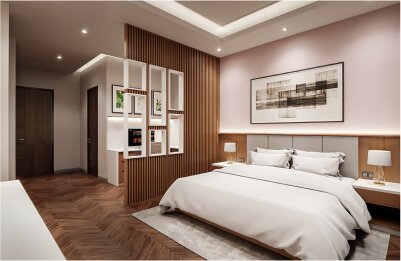
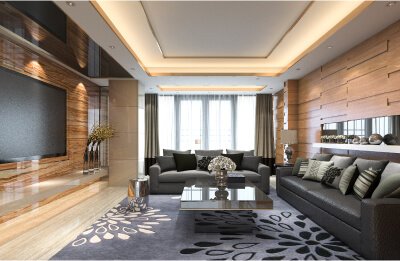
Vinyl flooring works well in controlled environments where comfort, warmth, and ease of cleaning matter. It performs best on properly prepared subfloors and responds well to consistent indoor conditions. In bedrooms, private rooms, and low-moisture spaces, vinyl provides a quiet underfoot feel and visual continuity. When installed with the right base preparation and adhesive method, it remains stable and easy to maintain over long periods.
SPC Flooring
SPC flooring suits spaces that see regular movement, furniture shifting, and seasonal variation. Its rigid structure handles everyday wear well and maintains alignment across connected areas. SPC performs especially well in living areas, corridors, and commercial interiors where durability and consistency matter more than softness. With proper expansion planning and installation discipline, it delivers long-term stability with minimal maintenance requirements.
Wooden Flooring
Wooden flooring brings a natural finish that settles well into private and low-disturbance spaces. It works best in bedrooms, study rooms, and areas where usage patterns remain steady. Wood responds to climate changes naturally, and with correct installation practices and realistic maintenance routines, it ages gracefully. Homes that value texture and warmth often prefer wood for these reasons.
Flooring Solution for Every Space
Living and Dining Areas
Living and dining areas demand flooring that holds alignment across open layouts. Furniture movement, regular foot traffic, and frequent cleaning define these spaces. SPC flooring performs reliably here, especially where multiple rooms connect without breaks. Vinyl flooring also works well when subfloor preparation is handled carefully. The focus remains on continuity, noise control, and long-term stability rather than surface appearance alone.
Bedrooms
Bedrooms offer the most controlled conditions for flooring. Usage remains predictable. Moisture exposure stays low. Vinyl flooring works comfortably here and maintains its finish with basic care. Wooden flooring also fits naturally in bedrooms, adding warmth and quiet comfort. In these spaces, installation quality determines sound performance more than the material itself.
Kitchens
Kitchens require flooring that tolerates frequent cleaning and incidental moisture. SPC flooring suits this environment due to its structure and surface durability. With proper edge detailing and expansion allowances, it stays stable even with daily use. Vinyl flooring can also work where cleaning routines stay controlled. Kitchen flooring benefits from clear material selection rather than decorative preference.
Transitional Spaces and Corridors
Corridors and transitional paths experience continuous movement. Flooring here must remain aligned and quiet over time. SPC flooring performs consistently in these zones when installed with attention to joint locking and underlay choice. Using the same flooring across connected spaces reduces visual breaks and long-term maintenance concerns.
Commercial or High-Footfall Interiors
Commercial interiors prioritise durability, ease of maintenance, and predictable wear. SPC flooring suits offices, retail areas, and shared spaces where daily usage remains high. Vinyl and wooden flooring also find use in specific commercial zones when matched correctly to traffic levels. Material choice stays guided by usage patterns rather than finish alone.
Why Homeowners and Designers Choose Safelines for Flooring?
Clear, Manageable Choices
Safelines keeps flooring selection focused. Fewer materials reduce confusion and speed up decisions. Homeowners and designers work with options that are known to perform well under Indian site conditions.
Practical Material Selection
Every flooring solution offered fits within real installation and usage scenarios. Materials get selected based on how they behave over time, not just how they appear during selection.
Alignment With Interior Execution
Flooring integrates with skirting, doors, and level transitions. Coordinating it early within home interior design and home makeovers prevents execution conflicts and last-minute adjustments.
Long-Term Performance Focus
Safelines prioritises flooring that remains stable through seasons and daily use. Appearance matters, but predictability matters more. This approach keeps flooring dependable long after project completion.
FAQs
What is the Cost of Flooring for 1000 Square Feet?
The cost depends on material choice and site readiness. Vinyl, SPC, and wooden flooring all sit in different price brackets. Subfloor leveling, moisture conditions, and installation method influence the final figure. For 1000 square feet, most completed projects fall between ₹1.8 lakh and ₹4.5 lakh, including material and installation done properly.
Vinyl vs SPC Flooring: Where Does Each Actually Work?
Vinyl flooring suits bedrooms and low-moisture areas where the base is even, and usage is controlled. SPC flooring performs better in living areas, corridors, and connected spaces where foot traffic and seasonal changes are higher. Both work well when matched to the right room conditions and installed with attention to expansion and base preparation.
Is Wooden Flooring Practical for Indian Homes?
Wooden flooring works well in settled homes with stable usage patterns. It adds warmth and comfort to bedrooms and private spaces. Seasonal movement is normal and manageable with correct installation and maintenance. Homes that understand wood as a natural material usually remain satisfied with its long-term performance and appearance.