
Modular Kitchen Designed for Functional Spaces

Safelines delivers modular kitchens built around site conditions, daily usage, and long-term durability. Every kitchen starts with measured layouts, cabinet systems selected for load and moisture resistance, and finishes chosen for maintenance consistency. Execution follows approved drawings, coordinated with installers and supervisors. What gets delivered on site matches what was planned, without last-minute substitutions or layout compromises.
What Our Modular Kitchen Service Covers?
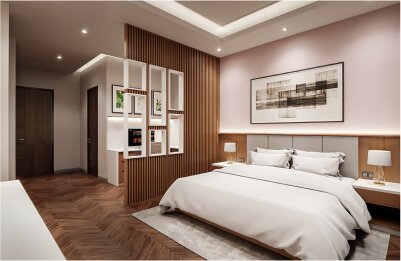
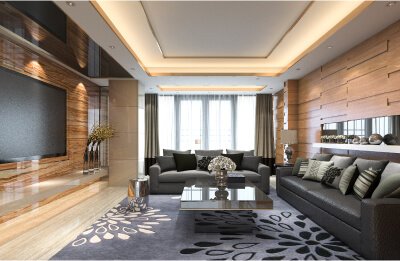
Safelines manages the full modular kitchen scope, from layout planning based on site dimensions to cabinet system selection, finishes, and hardware alignment.
Layout Planning
Layout planning begins after physical site measurements and verification of service points. Cabinet runs, appliance spacing, and movement clearances are fixed before design approval. This prevents resizing during installation and avoids functional errors such as blocked drawers, appliance overlap, or insufficient working zones in daily kitchen use.
Modular Cabinet Systems
Modular cabinet systems are selected based on load-bearing requirements, moisture exposure, and frequency of use. Base units, wall units, and tall units follow standardized depths and heights to maintain alignment. Internal carcass strength and fixing methods are planned to support hardware weight and long-term stability.
Material and Finish Selection
Material and finish selection focuses on moisture tolerance, surface durability, and ease of maintenance. Finishes are finalized before manufacturing to avoid shade variation, sourcing delays, or forced substitutions during execution.
On-Site Installation
On-site installation is handled by trained teams under supervision. Cabinets are fixed according to approved drawings with checks for level, plumb, and clearances. Hardware fitting, shutter alignment, and drawer calibration are completed before handover.
Kitchen Layouts Planned Around Space Efficiency
Kitchen layouts are planned only after assessing usable wall lengths, entry points, ventilation, and service access. Layout decisions are based on movement flow, storage demand, and appliance placement.
Straight Kitchens
Straight kitchens are planned for compact or linear spaces where wall length is limited. Storage and appliance placement are arranged to maintain basic work zones without congestion. Tall units are positioned carefully to avoid visual blockage and to keep access clear in narrow or passage-based kitchen areas.
L-Shaped Kitchens
L-shaped kitchens are used where corner utilization is required without increasing the footprint. This layout supports separation between cooking and preparation areas while keeping movement clear. Corner storage solutions are planned only where access and depth allow practical daily use without forced hardware additions.
U-Shaped Kitchens
U-shaped kitchens are planned for spaces that require higher storage capacity. Counter spacing and cabinet depth are controlled to avoid tight circulation. This layout is used only when adequate clearance exists to prevent restricted movement, blocked appliance doors, or inefficient working angles during use.
Parallel Kitchens
Parallel kitchens are selected for utility-focused layouts with two functional walls. Spacing between counters is planned to support simultaneous movement, appliance operation, and storage access. This layout works best where service points are clearly divided, and an uninterrupted walk-through space can be maintained.
G-Shaped Kitchens
G-shaped kitchens include a partial extension to improve workflow control and surface availability. The extension is planned only where circulation remains unobstructed. Storage and counter use are balanced to ensure the added section supports function rather than creating movement or access restrictions.
Island Kitchens
Island kitchens are planned strictly for larger spaces with sufficient clearance on all sides. Island size, height, and usage are defined early to avoid obstruction. Storage, seating, or appliance placement is planned only when it does not interfere with primary kitchen operations.
Why Choose Safelines for Modular Kitchens?
Safelines operates as an execution-driven interior service rather than a concept-based design provider. The focus remains on consistency, coordination, and long-term usability across materials, installation practices, and post-handover support.
Consistent Material Sourcing
We evaluate room usage, substrate condition, and installation method before recommending tiles. This prevents common issues such as cracking, hollow sounds, and uneven wear caused by unsuitable choices.
Consistent Material Sourcing
Materials are sourced through fixed suppliers to maintain consistency across boards, finishes, and hardware batches. This reduces mismatch during installation and simplifies future replacements or extensions. Controlled sourcing also helps avoid last-minute substitutions that often affect durability and visual continuity.
Controlled Installation Practices
Installation follows defined procedures. Fixing points, levels, and alignments are checked against approved drawings at each stage. This approach limits post-installation corrections and ensures cabinets, shutters, and hardware perform as intended under regular kitchen usage.
Design and Execution Coordination
Design teams coordinate directly with site supervisors during execution. This reduces interpretation gaps between drawings and installation. Layout intent, clearances, and fixing details are communicated clearly, preventing informal adjustments on site that often lead to functional or alignment issues later.
Practical After-Installation Support
After-installation support focuses on functional issues such as alignment adjustments, hardware calibration, and performance checks after initial usage. Support is structured to address operational wear rather than cosmetic concerns, ensuring the kitchen continues to function correctly over time.
FAQs
How Long Does a Modular Kitchen Installation Take?
Installation timelines depend on layout complexity and site readiness. Most modular kitchens take 7 to 14 working days after materials reach the site. This includes cabinet fixing, hardware installation, and alignment checks.
Which Materials Handle Moisture Better?
Moisture resistance depends on both core material and edge sealing. Marine-grade plywood and calibrated boards with proper lamination perform better in Indian kitchen conditions. Sink areas and base units require extra sealing and correct clearance from plumbing to prevent long-term damage.
Can Layouts be Modified after Design Approval?
Minor adjustments may be possible before manufacturing starts. Once cabinet production begins, layout changes usually affect sizing, costs, and timelines. Structural changes after approval often lead to compromises in alignment or storage balance. Safelines advises finalizing appliance positions, service points, and usage patterns before giving design approval.
What Maintenance is Required Over Time?
Modular kitchens require basic upkeep, such as regular cleaning, avoiding prolonged water exposure, and periodic hardware tightening. Hinges and channels may need adjustment after extended use. Surface finishes should be cleaned using non-abrasive methods. Proper ventilation and timely plumbing repairs significantly reduce cabinet wear and moisture-related issues.
How is the Cost of a Modular Kitchen?
Cost depends on cabinet material, finish type, hardware specifications, layout size, and storage complexity. Taller units, corner solutions, and premium hardware increase overall pricing. Site conditions and access also affect installation effort. Safelines provides itemized estimates so material and execution components remain clearly defined.
Are Installation and Hardware Costs Included in the Price?
Pricing generally includes cabinet manufacturing, standard hardware, and installation. Specialized hardware, accessories, or brand-specific fittings may be priced separately. Installation covers fixing, leveling, and alignment as per drawings.