

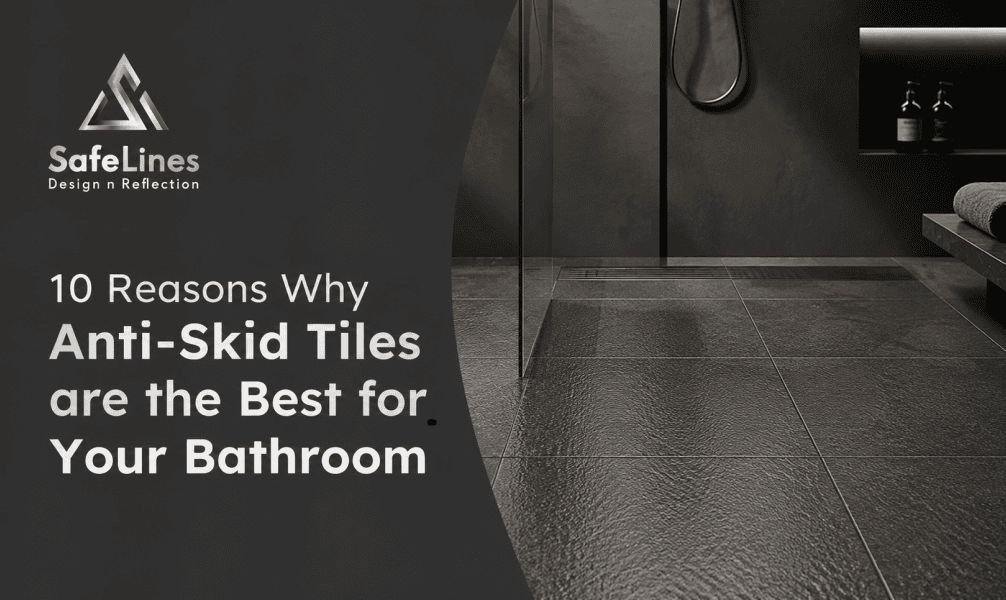
Many homeowners spend days choosing the perfect bathroom tiles. They compare colours, patterns, and designs, but often overlook the bathroom floor. This is a mistake that many people only realize after they start using the bathroom regularly. Soap, shampoo, and hard water make the floor slippery, especially during busy mornings when everyone in the family uses the bathroom one after another. That is the reason why choosing the anti-skid tiles is as important as choosing a good shower or sanitaryware.
Many homeowners spend a lot of time selecting wall tiles because they want the bathroom to look beautiful. The floor deserves the same attention. A bathroom floor should feel safe every single day, whether someone walks in wearing slippers or with wet feet. This becomes even more important in homes with young children or elderly parents.
A good bathroom floor should stay comfortable to use, remain easy to clean, and last for years. That is exactly why anti-skid tiles have become a preferred choice for many Indian homes. The following reasons explain why they make practical sense for both new bathrooms and renovation projects.
What are Anti-Skid Tiles?
Anti-Skid tiles are floor tiles with a slightly rough or textured surface that gives them a better grip than smooth glossy tiles, especially when the floor is wet. They help reduce the chances of slipping during everyday use.
These tiles are available in ceramic and vitrified materials. Anti-skid ceramic tiles suit many residential bathrooms because they offer good performance at an affordable price.
Meanwhile, anti-skid vitrified tiles are stronger and usually suit bathrooms that see heavy daily use. Both options are available in many colours, patterns, and sizes, making it easy to match different bathroom designs.
10 Reasons Why Anti-Skid Tiles are the Best for Your Bathroom
Reduce the Risk of Slips and Falls
A bathroom floor becomes slippery much faster than people expect. A little water mixed with soap or shampoo is enough to reduce grip. Anti-skid tiles have a textured surface that helps people walk with better grip, even when the floor is wet. They do not make the bathroom completely slip-proof, but they certainly reduce the chances of losing balance.
Ideal for Typical Indian Bathrooms
Indian bathrooms usually stay wet because of bucket baths, frequent cleaning, washing clothes, and humid weather that keeps the floor damp for hours. In many homes, one family member uses the bathroom right after another, leaving very little time for the floor to dry. Anti-skid tiles work well in these conditions because they offer better grip without making the bathroom difficult to maintain.
Safe for Children and Elderly Family Members
Children don’t pay attention to a wet floor. They walk, run, or play without thinking about slipping. Elderly family members face a different challenge. Even a small loss of balance can lead to a serious injury. Choosing anti-skid tiles adds an extra layer of safety for both age groups.
Better Grip Even with Soap and Shampoo Residue
Most bathroom floors do not become slippery because of water alone. Soap, shampoo, conditioner, and body wash leave a thin layer on the surface. That layer reduces grip, especially on smooth tiles. However, anti-skid tiles handle these everyday conditions better because of their surface texture.
Durable for Daily Household Use
Bathroom floor tiles face daily wear. Water falls on them several times a day, cleaning happens regularly, and people walk on them with wet feet. Good-quality anti-skid tiles handle this routine without losing their strength. They continue to perform well for years.
Easy to Maintain
There is a common misconception that textured tiles collect more dirt. That can happen if cleaning gets ignored for weeks. Sweeping and mopping the floor regularly removes dust, soap marks, and hard water stains. A soft brush once a week helps clean the textured surface. Good-quality anti-skid tiles stay easy to maintain as long as homeowners follow a basic cleaning routine.
Available in Stylish Designs and Finishes
Choosing anti-skid tiles no longer means settling for plain designs. Today, they are available in many colours, patterns, and finishes. Homeowners have options to choose from stone-look tiles, wood-inspired designs, cement finishes, or simple solid colours. Matte and textured finishes have also become popular because they look modern while offering better grip.
Suitable for More Than Just Bathrooms
Although anti-skid tiles suit bathrooms perfectly, they also work well in other parts of the house. Many homeowners use them in balconies, utility rooms, terrace wash areas, kitchens, and outdoor pathways. These places also get wet during daily use or the rainy season. Using the same type of flooring in different wet areas creates a neat look and makes those spaces safer to walk on.
Moisture and Stain Resistant
Bathrooms deal with moisture every single day. Water splashes, soap stains, toothpaste, and hard water marks can affect the floor if the tiles are not suitable for wet areas. Good-quality anti-skid tiles resist moisture well and remain easy to clean. With regular care, they continue to look good for years without demanding extra effort.
Long-Term Value for Your Investment
Bathroom flooring is not something people replace every few years. Once the tiles are installed, they usually stay there for a long time. That is why looking beyond the price tag makes sense. Anti-skid tiles offer good value because they combine safety, durability, and easy maintenance. Spending a little more on the right flooring today can help avoid repairs or replacements later.
How to Choose the Right Anti-Skid Bathroom Tiles?
Buying bathroom tiles is not only about choosing a colour or pattern. The right tile should suit the way the bathroom gets used every day. Before making a decision, it is important to look at a few practical things that many homeowners often miss.
Select the Appropriate Slip Resistance Rating
Many customers first ask about the design, but only a few ask about the grip. In reality, grip matters much more for a bathroom floor.
A simple way to check this is by looking at the COF (Coefficient of Friction). It measures how well a tile grips the floor, especially when it is wet. In general, a higher COF rating means better slip resistance.
For most residential bathrooms, choose tiles that are specifically rated by the manufacturer for wet areas and meet the applicable slip-resistance standards.
Choose the Right Tile Size
Tile size changes both the look and the performance of a bathroom floor. Many people like large tiles because they make the bathroom look bigger. They also have fewer grout lines, which give the floor a cleaner appearance.
Smaller bathroom floor tiles have their own advantage. They create more grout lines, and those grout lines add a little extra grip. They also make it easier to create the right slope towards the floor drain, especially in compact Indian bathrooms.
A small bathroom may look better with medium-sized tiles, while a spacious bathroom can easily accommodate larger tiles. Instead of following a trend, choose a size that matches the layout and allows water to drain properly.
Pick a Suitable Finish
Glossy tiles look attractive under showroom lights, but many homeowners later notice watermarks more easily on them. They can also feel slippery when the floor is wet. That is why many families now prefer matte bathroom tiles or textured bathroom tiles for the floor. They offer better grip and hide everyday water spots more effectively.
Glossy finishes still work very well on bathroom walls because walls do not need the same level of grip. The best bathroom tile finish depends on where the tile will be installed.
Match Tiles with Your Bathroom Design
Not every bathroom needs to follow the latest design trend. Instead, it needs a floor that continues to look good even after years of daily use. Light-coloured tiles make small bathrooms feel more open, while medium shades usually hide dust, water spots, and hard water marks better. If the bathroom receives very little natural light, choosing slightly lighter shades can make the space feel brighter.
It also helps to think about maintenance before choosing a colour. Some finishes and shades show every watermark, while others stay neat with regular cleaning. At the same time, a bathroom floor should match the walls, fittings, and overall style of the house.
Conclusion
The bathroom floor is something the whole family uses every day. It should feel safe, stay easy to clean, and continue to look good for years. That is why many homeowners now choose anti-skid tiles while building a new home or renovating an old bathroom. They offer better grip, handle everyday moisture well, and come in designs that suit almost every home.
Instead of choosing tiles based only on appearance, it makes sense to think about safety, maintenance, and long-term use. Homeowners looking for quality anti-skid tiles in different colours, sizes, and finishes can explore the exclusive collection at Safelines Design n Reflection and choose an option that fits both their bathroom and their daily needs.
FAQs
Which Type of Tiles is Best for a Bathroom Floor?
The right choice depends on how the bathroom gets used and who uses it. For most Indian homes, anti-skid tiles work well because they offer better grip on wet floors without making cleaning difficult. They are available in ceramic and vitrified options, so homeowners can choose according to their budget and daily use.
Are Anti-Skid Tiles Completely Slip-proof?
No, many people believe anti-skid tiles completely prevent slips, but that is not true. They improve grip and reduce the chances of slipping, especially on wet floors. Even then, no tile can guarantee complete safety. If soap, shampoo, or oil stays on the floor, the surface can still become slippery.
Can Anti-Skid Tiles Be Used on Bathroom Walls?
Yes, they can, but they are usually not necessary. Bathroom walls do not need the same level of grip as the floor. That is why many homeowners choose glossy or smooth tiles for the walls and keep anti-skid tiles only for the floor.
Do Anti-Skid Tiles Become Slippery Over Time?
The tiles themselves do not usually lose their grip. What changes is the surface. Soap scum, hard water stains, and dirt slowly build up if the floor does not get cleaned regularly. That layer can make any tile feel slippery. A simple cleaning routine keeps the surface clean and helps the tiles perform the way they should.
Are Anti-Skid Tiles More Expensive than Regular Bathroom Tiles?
The price depends on the material, brand, size, and finish. Some anti-skid tiles cost a little more than regular tiles, while others fall within a similar price range. Looking only at the price does not always give the complete picture. Spending a little more on better quality often proves worthwhile.
How Do I Clean Anti-Skid Tiles Without Reducing Their Grip?
Cleaning Anti-Skid Tiles is quite simple. Sweep the floor regularly to remove dust and dirt. Mop it with a mild tile cleaner and clean away soap marks before they build up. A soft brush works well for textured surfaces because it reaches small grooves without damaging the tile. Avoid using wax or oily cleaning products, as they leave a layer on the surface and reduce grip.